
The Impact of Body Language and Power Posture
Our body language not only influences how others perceive us, but also has a profound effect on how we see and feel about ourselves. Especially in situations where we need to appear confident—such as job interviews, public speaking, or entering a new environment—our posture plays a crucial psychological and biological role.
What Is Power Posture?
Research by social psychologist Amy Cuddy shows that body positions known as "power poses" can actually boost a person's self-confidence. Even if you do not feel confident, adopting a confident posture can increase testosterone (the confidence hormone) in the brain while lowering cortisol (the stress hormone).
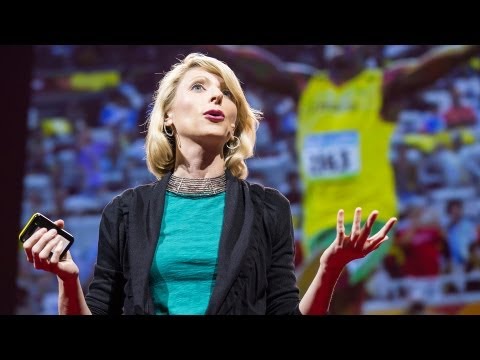
A snapshot from Amy Cuddy’s famous "power pose" TED talk.
"Fake it till you make it; eventually, you become it." – Amy Cuddy
What the Research Debate Tells Us
The original power pose study attracted enormous attention, and it also attracted scrutiny. Later attempts to repeat the experiment did not consistently find the same hormonal changes, and the question of whether a short pose alters testosterone or cortisol remains contested among researchers. What has held up more reliably is a simpler idea: open, upright postures tend to make people feel more powerful and in control, even if the biological explanation is less certain.
For everyday purposes, that is still useful. If standing tall for a moment before an important conversation helps you feel steadier, the habit costs nothing. The mistake is treating a pose as a shortcut that replaces preparation, rehearsal and genuine knowledge of your subject.
Practical Ways to Use Posture Before a High-Stakes Moment
You do not need to stand in a dramatic pose in front of others. Most of the benefit comes from small, private adjustments made before you walk into the room.
- Take space in private: before an interview or presentation, spend a couple of minutes somewhere quiet with your shoulders open, feet planted and chin level.
- Avoid shrinking: hunching over a phone while you wait pulls your body into a closed, defensive shape at exactly the wrong time.
- Breathe slowly: calm, low breathing supports a relaxed upright posture and steadies your voice.
- Keep hands visible: open hands read as honest and engaged, while crossed arms or hidden hands can appear guarded.
Common Mistakes With Confident Body Language
Confidence is easy to overdo. Leaning back too far, taking up excessive space at a shared table or holding unbroken eye contact can come across as dominant rather than self-assured. Good body language also has to match your words; a confident stance paired with hesitant, apologetic phrasing sends a mixed signal. Aim for posture that is relaxed, open and attentive to the other person, and let it support what you say rather than perform on its own.