

Secrets of Powerful Speaking
Have you ever felt like you’re speaking but people aren’t really listening? This is a common issue many people face in communication. Making your voice heard and delivering your message effectively is possible with the right techniques.
How to Use Your Voice Effectively
Voice expert Julian Treasure shares practical vocal exercises and tips for powerful speaking and communicating with empathy. His approach aims to improve not only our own voices but also the quality of communication in the world.
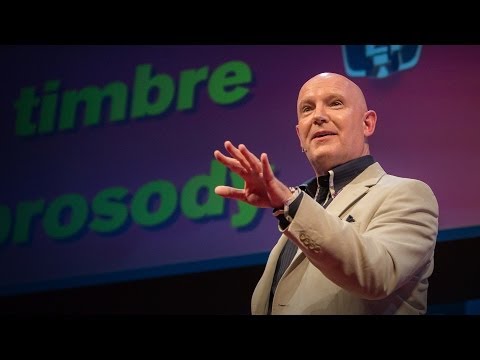
A snapshot from Julian Treasure's TED talk, “How to Speak so that People Want to Listen.”
"The real power of our words lies in how we use them." – Julian Treasure
Habits That Make People Stop Listening
In his talk, Julian Treasure describes several habits that quietly erode an audience's willingness to listen. They are worth recognising because most of us slip into them without noticing:
- Gossip and judging: people sense that someone who talks this way about others will do the same about them.
- Negativity and complaining: a constant stream of problems wears listeners out.
- Excuses: shifting blame weakens trust in everything else you say.
- Exaggeration and dogmatism: overstating facts or presenting opinions as unquestionable truth makes people tune out.
As a positive foundation, he suggests honesty, authenticity, integrity and love, meaning genuine goodwill toward the people you speak to.
Tools You Can Practise With Your Own Voice
Beyond what you say, how you say it shapes whether people stay with you. A few elements are worth practising deliberately:
- Register: speaking from the chest rather than the throat usually sounds fuller and more authoritative.
- Prosody: varying your melody keeps attention, while a monotone makes even interesting content hard to follow.
- Pace: slowing down for key points, and allowing silence, gives your message weight.
- Pitch and volume: both can be used for emphasis, but sudden shouting or mumbling works against you.
Warming Up Before You Speak
Singers and actors warm up before performing, and anyone giving a presentation, leading a meeting or recording a video can benefit from the same habit. Simple routines help: stretching the shoulders, a few slow breaths, gently humming, loosening the lips and tongue, and reading a short passage aloud. A warm voice is clearer, steadier and less likely to crack under nerves. Combined with honest, well-prepared content, these small practices make a noticeable difference in how your message is received, whether you are speaking to one customer or a full room.